Virology and Molecular Pathology (including Serology)
Virology and Molecular Pathology (VAMP) provides an accredited service for the diagnosis and clinical management of viral infections. VAMP offers a comprehensive range of serological and molecular diagnostic assays to users.
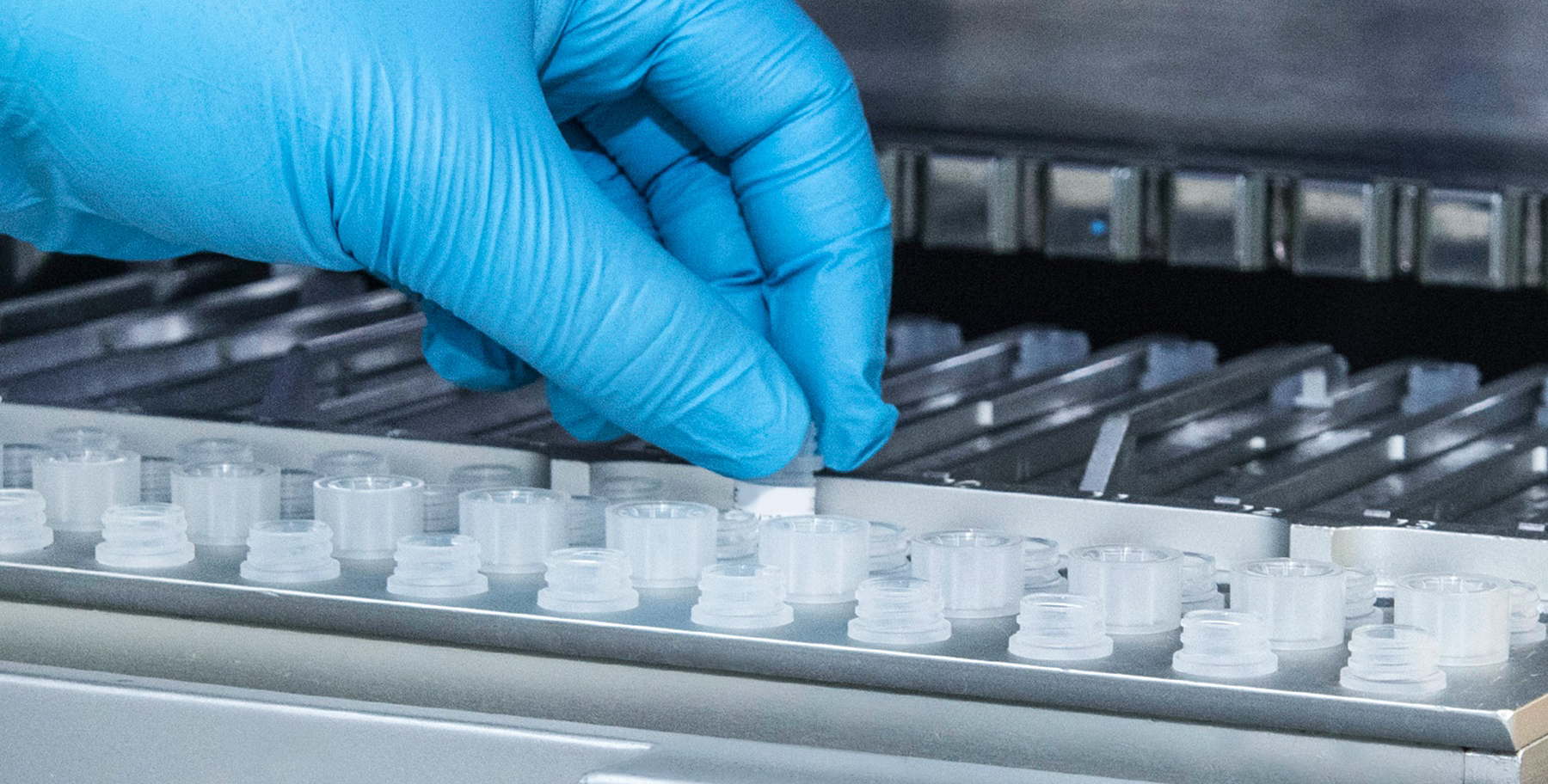
The Virology and Molecular Pathology service offers a comprehensive range of serological and molecular diagnostic assays to users across the Coventry and Warwickshire region. The department operates across two main sites: University Hospitals Coventry and Warwickshire NHS Trust in Coventry and the George Eliot Hospital in Nuneaton.
The department is multi-disciplinary with responsibility for the operational delivery of infectious disease Serology and Molecular testing and Genomics testing for both Blood Sciences and Cellular Pathology. The serology immunoassays run on the automated Blood Sciences tracks and Molecular work is moving onto fully automated PCR platforms.
Samples tested include blood, swabs and other bodily fluids and the results generated inform the diagnosis and management of infectious disease, cancer and other disorders where identification of a particular genetic target is useful in treatment.
Click here to view Virology and Molecular test database
Click here to view Virology specimen requirements according to syndrome
Click here to view Virology guidance on test usage
N.B. Patient consent is required for all molecular tests according to the Human Tissue Act 2004 informed patient consent is required for all DNA tests from all patients, and for storage of RNA and DNA.
RNA and DNA from LIVING patients may be stored without consent for the following purposes (patients should be made aware of this): audit, education and training, performance assessment, quality assurance and anonymised research.
do you want this section??
Virology (including Serology)
Possible viral infection may be investigated by molecular methods such as PCR, or serological investigations such as immunoassay. Techniques often change rapidly; therefore if there is doubt about test specimen requirements please contact the laboratory (Ext. 25461 or 25468). If advice on clinical management or investigation strategy is required contact the duty Virologist (Ext. 25349 or 25471) Alternatively you may email ClinicalVirology@uhcw.nhs.uk
Possible viral infection may be investigated by molecular methods such as PCR, or serological investigations such as immunoassay. Techniques often change rapidly; therefore if there is doubt about test specimen requirements please contact the laboratory (Ext. 25461 or 25468). If advice on clinical management or investigation strategy is required contact the duty Virologist (Ext. 25349 or 25471). Alternatively you may email ClinicalVirology@uhcw.nhs.uk.
Clinical Details
Precise clinical information is very important for determining which test to perform; vague information is unhelpful and will delay processing of samples.
Clinical details should include (where appropriate):
- Concise clinical summary of symptoms
- Significant past medical history
- Date of onset of illness,
- Contact with other infected individuals and date of contact
- Previous vaccination
- Travel history
Specimen requirements according to syndrome
Infections of the skin and mucous membranes
Herpes Simplex (HSV), Varicella Zoster (VZV), and Enterovirus
PCR is the test of choice to determine viral causes of infection of the skin or mucous membranes. For a vesicular rash, where skin infection caused by HSV, VZV or enterovirus is considered, a swab should be used to sample the opened lesion and placed in a sterile universal container. If the lesion is dry, pre-moisten the swab with sterile saline before swabbing in the normal way. If moist, gather as much exudate as possible on the swab. Please use sterile swab. DO NOT SEND CHARCOAL SWABS. Please notify Virology if VZV is suspected so that appropriate infection control measures can be implemented.
Measles
Measles PCR can be performed for inpatients, but this is usually limited to infection control risks (including outbreaks), and resolving diagnostic conundrums only. Please contact the duty Virologist or email ClinicalVirology@uhcw.nhs.uk to arrange. Measles is a notifiable infection and any suspected/confirmed cases should be notified to the local health protection unit.
Respiratory infections including COVID-19
Viral respiratory infection
If infection with a respiratory virus is suspected, please send either a dry sterile nose or throat swab in a universal container for PCR. DO NOT SEND CHARCOAL SWABS. NPAs, BALs and sputum samples can also be tested.. If rapid or urgent COVID-19 testing is required, please contact the duty Virologist or email ClinicalVirology@uhcw.nhs.uk. Where an atypical viral pneumonitis is suspected e.g. CMV, HSV, VZV, contact the duty Virologist to discuss and arrange testing.
Atypical bacterial pneumonia
If atypical bacterial pneumonia is suspected in a patient, please submit urine for Legionella urinary antigen testing. Please note, complement fixation testing is no longer available for the investigation of atypical pathogens as it has been withdrawn by our reference lab providers. Please contact Virology or Microbiology to discuss investigation of atypical pathogens.
Gastroenteritis
Investigations of sporadic viral gastroenteritis including Adeno/Rotavirus in children less than 90 days old and outbreaks; Norovirus (winter vomiting disease) diagnosis is largely restricted to outbreak investigations, in all age groups where clinically indicated in outbreaks. Faeces samples or vomit specimens can be used. Swabs from faeces or vomit will not be accepted.
Genitourinary infections caused by Chlamydia trachomatis (CT), Neisseria gonorrhoeae (GC) and Herpes Simplex (HSV)
For CT and GC, self-taken vaginal swabs, urethral, rectal, eye and throat swabs are accepted; please use the ‘dry’ swabs. For endocervical swabs please use the ‘wet’ swabs i.e. break into BD viper diluent. Urine samples should be aliquoted into a BD urine preservative tube. For genital HSV, use the ‘wet’ swabs i.e. break into BD viper diluent.
Viral infections of the eye
Excess pus should be removed. The eyelid must be inverted and the swab pressed firmly along the inside of the lower lid. Diagnosis is dependent on obtaining a satisfactory number of cells. Place swab into a sterile universal. DO NOT SEND CHARCOAL SWABS.
Congenital CMV
The best sample type to send is urine or saliva, preferably within the first three weeks of life, for CMV PCR. Where congenital CMV is suspected after three weeks, submit urine, and if after 12 months, send serum only for CMV IgG. Investigations carried out after three weeks of age may require confirmation by testing the Guthrie card. Please contact the duty Virologist or email ClinicalVirology@uhcw.nhs.uk if further advice is required.
Viral infections of the central nervous system e.g. meningitis, encephalitis
CSF will be tested for viruses by PCR where this is indicated by the cell count or requested by the clinician. PCR testing for viral pathogens such as HSV, VZV, enterovirus, and parechovirus, and bacterial pathogens such as meningococcus or pneumococcus are available as reference laboratory tests. An expanded panel of pathogens including CMV, EBV and JC virus can be requested if clinically indicated. Please ensure a separate CSF sample is sent specifically for virology if possible. If enterovirus is suspected a throat swab and stool sample may also be sent for PCR.
If Lyme disease, syphilis, toxoplasmosis, cryptococcus and leptospirosis are being considered, send CSF with a paired blood sample. Negative blood serology for the above infections essentially rules out neurological disease.
Blood borne virus infections – HIV, HBV, HCV
To diagnose potential blood borne virus infection, please send serum (clotted blood) for HIV/HBV/HCV serology. Molecular methods (i.e. PCR) are not appropriate for the routine diagnosis of blood borne virus, except in the case of hepatitis C where it is used to diagnose active infection following positive serology. In patients who have been diagnosed with a blood borne infection by serology, viral load monitoring may be indicated to monitor response to treatment. Please send 3 x EDTA bloods. Note, a minimum of 1.5 mL of plasma is required.
Routine monitoring of immunosuppressed patients
Certain patient groups (e.g. renal transplant, haematology/oncology) are vulnerable to reactivation of viruses such as cytomegalovirus (CMV), Epstein-Barr virus (EBV), and BK virus. These can cause considerable morbidity and mortality, therefore blood samples should be monitored for the presence of these viruses during periods of immunosuppression. Please send EDTA blood to determine viral loads.
High consequence infectious diseases (HCID)
Specimens from patients suspected of suffering from a Category 4 infection e.g. a viral haemorrhagic fever, Smallpox or Rabies, will not be processed in this laboratory. They MUST only be processed in a designated high security laboratory. Virology will arrange for transportation of these samples. PLEASE PHONE THE CONSULTANT VIROLOGIST IF ANY OF THESE ORGANISMS ARE SUSPECTED TO ARRANGE FOR CORRECT AND SAFE TRANSPORTATION. If out-of-hours, please contact the Consultant Microbiologist about such patients prior to taking any specimens.
Other specimens
Aspirated fluids, biopsy specimens, products of conception and other fluids - see under Bacteriology.
Guidance on Test Usage
A wide array of serological tests are available, and their correct utilisation is highly dependent on clinical information. There is not the scope to discuss every test, but highlighted below are some common investigations. Please ring for advice if in doubt.
Antenatal Infectious Diseases Screening
CWPS supports the Infectious Diseases in Pregnancy Screening Programme by providing the laboratory component of the screening pathway for pregnant women in Coventry and Warwickshire. The UK National Screening Committee (NSC) policy for the IDPS programme is to offer and recommend screening to all eligible women for HIV, hepatitis B and syphilis. This is to enable early detection and treatment for infections in pregnancy in order to significantly reduce the risk of vertical transmission. A secondary benefit is the identification of women with these conditions who can be offered appropriate care for their own health needs.
Laboratory testing is provided in-house and results are reported within 8 days (IDSP standard) with positive screens notified directly to the local screening teams.
Varicella-zoster – Management of chicken pox/zoster contacts
Varicella may occasionally produce severe disease in non-immune contacts. Following assessment, such contacts should be offered post-exposure prophylaxis (PEP) either in the form of aciclovir, or varicella zoster immunoglobulin (VZIG) to attenuate the disease course, provided that it is administered within the appropriate time period following contact. Due to a severe national shortage of VZIG, PHE have implemented restrictions on the use of this product. Currently, VZIG is only indicated for:
- Non-immune pregnant women <20 weeks gestation.
- Neonates whose mothers develop chickenpox (but not shingles) in the period 7 days before to 7 days after delivery.
- VZV antibody-negative infants under 1 year who have remained in hospital since birth who are born before 28 weeks gestation OR weighed less than 1000g at birth
- VZV antibody negative infants who have severe congenital or other underlying condition that require prolonged intensive or special care during the first year of life.
- VZV susceptible neonates exposed to chickenpox or shingles (other than in the mother) in the first 7 days of life.
If an individual at high risk of severe VZV infection is exposed to chickenpox, contact the duty Virologist or Consultant Virologist to carry out a risk assessment, and arrange antibody testing/issue of PEP (if appropriate). Note, in general if a pregnant contact gives a definitive history of chicken pox, then she may be reassured, as she will be immune. For other pregnant contacts and immunocompromised patients antibody levels need to be measured (approx. two thirds of patients who give no history of Varicella will be shown to be immune on serological testing).
To ensure timely reporting of results: -
- Ring laboratory and inform Clinical Scientist or senior BMS that blood is being sent for Varicella antibodies. Give full details of the nature and date of contact. Alternatively clear details should be written on the request form.
- Please provide a contact number for result to be telephoned to the following day (necessary for weekends/bank holidays) Results for a blood sample received Friday will be available Saturday morning. The patient’s contact telephone number is useful.
Where an individual presents late following contact and there is insufficient time to test sera VZIG may still be issued.
VZIG is obtained from PHE Colindale, and issue with be co-ordinated by the Clinical Virology team if deemed clinically appropriate.
Hepatitis Serology
Requesting ‘Hepatitis serology’ is insufficient as it does not provide adequate information to guide testing. There are a large number of tests available and often differing tests for each virus. Please provide:
-
Full clinical information including risk factors, results of LFTs, vaccination history. The laboratory can then decide on the relevant tests.
- Additionally request specific tests as appropriate.
SARS-CoV-2 Antibody Testing
At present, CWPS offers testing for antibodies to SARS-CoV-2 nucleocapsid and spike protein.
The clinical utility of SARS-CoV-2 anti-nucleocapsid (anti-N) is unclear and is generally utilised to establish whether an individual has been infected with SARS-CoV-2. Absence of antibody cannot infer that a person has not been naturally infected but presence shows they have. Virus specific antibody responses are prone to wane over time, and consequently protection against outcomes such as infection, transmission risk, or severe disease may also wane over time. Note, this assay does not test for antibody acquired through the currently approved SARS-CoV-2 vaccines.
Internal verification of our SARS-CoV-2 anti-N found that maximal assay sensitivity was achieved for samples ≥ 28 days post PCR positive result at 93.82% (95% CI 89.79-95.18). Thus, a positive result anti-N suggests that the patient was infected with SARS-CoV-2 at least 4 weeks ago but it may be longer than that. This is all that can be inferred. Repeat testing of seronegative individuals may be required if sample was collected <28 days before positive PCR result. No inference to immunity can be gained from this test and people who are anti-N positive may be re-infected with the virus.
SARS-CoV-2 anti-spike (anti-S) can be used to investigate previous exposure to SARS-CoV-2 virus, or vaccination with any of the currently licensed SARS-CoV-2 vaccines which are based upon spike-protein. It is not possible to distinguish between exposure to SARS-CoV-2 or vaccination on the basis of anti-S status alone.
Investigation of Genitourinary Infection
The laboratory offers open access to chlamydia investigation. Chlamydia collection kits are available from the laboratory on request (Extension 25468).
Current methodology uses nucleic acid amplification techniques for the detection of DNA. Whilst all tests are subject to specimen quality, this is especially so with chlamydia. Chlamydia are intra-cellular pathogens, and good quality cellular material is required as opposed to pus.
It is recommended that all patients who are positive for Chlamydia are referred to the Genito- urinary Medicine Clinic.
Female genital tract
Chlamydia primarily infects the endocervix, and hence an endocervical swab is required. Excess mucous/pus should be removed from the cervix prior to taking the endocervical swab for chlamydia.Self-taken vaginal swabs may be used for Chlamydia screening but in symptomatic patients full examination and endocervical swabs are recommended.
Male genital tract
Infection in males produces a urethritis, although the symptoms may be mistaken for a urinary tract infection. In sexually active men with sterile pyuria, chlamydia urethritis should be considered a possibility. For men collect either:
- Chlamydia urethral swab
Or
- First catch urine. The first 20 mL of urine voided should be placed in a sterile universal container, and preferably aliquoted into a urine preservative tube. The form should be clearly marked for chlamydia investigation. Patients should not have passed urine for at least two hours before the test.